From the very basics of what a plant is, to the threatened species that need our help most — Oya's educational resources take you on a journey no one else offers.
Explore the resources ↓The IUCN, WWF, and the world's great botanical gardens do extraordinary work cataloguing and protecting plant life. Oya does not try to replicate that.
Our role is to make people — especially young people — fall in love with plants before they disappear. We start with the basics and walk a path that leads, step by step, toward an understanding of why some plants are vanishing and what that means for all of us.
We cover territory others ignore: the impact of conflict and war on ecosystems, the real-world satellite evidence of habitat loss, and the stories of individual threatened species told in ways that stay with you.
No prior knowledge needed. Every learner, at any age, is welcome here.
Satellite imagery, real data, and visual storytelling to make the invisible visible.
Conflict, climate, habitat destruction — the threats plants face that rarely make headlines.
Each level builds on the last — from understanding what a plant is, to understanding why some plants may never be seen again.
The Storybook — ages 7 and above
An illustrated storybook introducing the fundamentals of plant biology — what a plant is, how it is structured, how it reproduces, and how it makes its own food.
Species in ecological, cultural, and historical context
In-depth explorations of plant species through the lens of their environments. Each guide asks: who is this plant, and what world does it live in?
The forces threatening plant life
An exploration of why plants disappear — the mechanisms of habitat loss, climate change, agricultural expansion, over-harvesting, and the impact of conflict and war on ecosystems.
What is being done — and what Oya does
An overview of the global conservation response: IUCN frameworks, seed banks, habitat restoration, botanic garden programmes, and community-led conservation.
Browse by type, or scroll through everything. New resources are added regularly.
An illustrated click-through book covering the parts of a flower, plant morphology, photosynthesis, and why plants need our help. Designed for ages 7–10.
From tiny alpine mosses to towering rainforest giants — an illustrated journey through the extraordinary diversity of plant life on Earth.
Four portraits of remarkable alpine plants — from the iconic Edelweiss to the glacier's edge. Discover their stories, their threats, and where to see them.
From a beach flower threatened by sunbeds to a tree that bleeds red, thirty wild firs clinging to a Sicilian valley, and the most catastrophic extinction in ancient history.
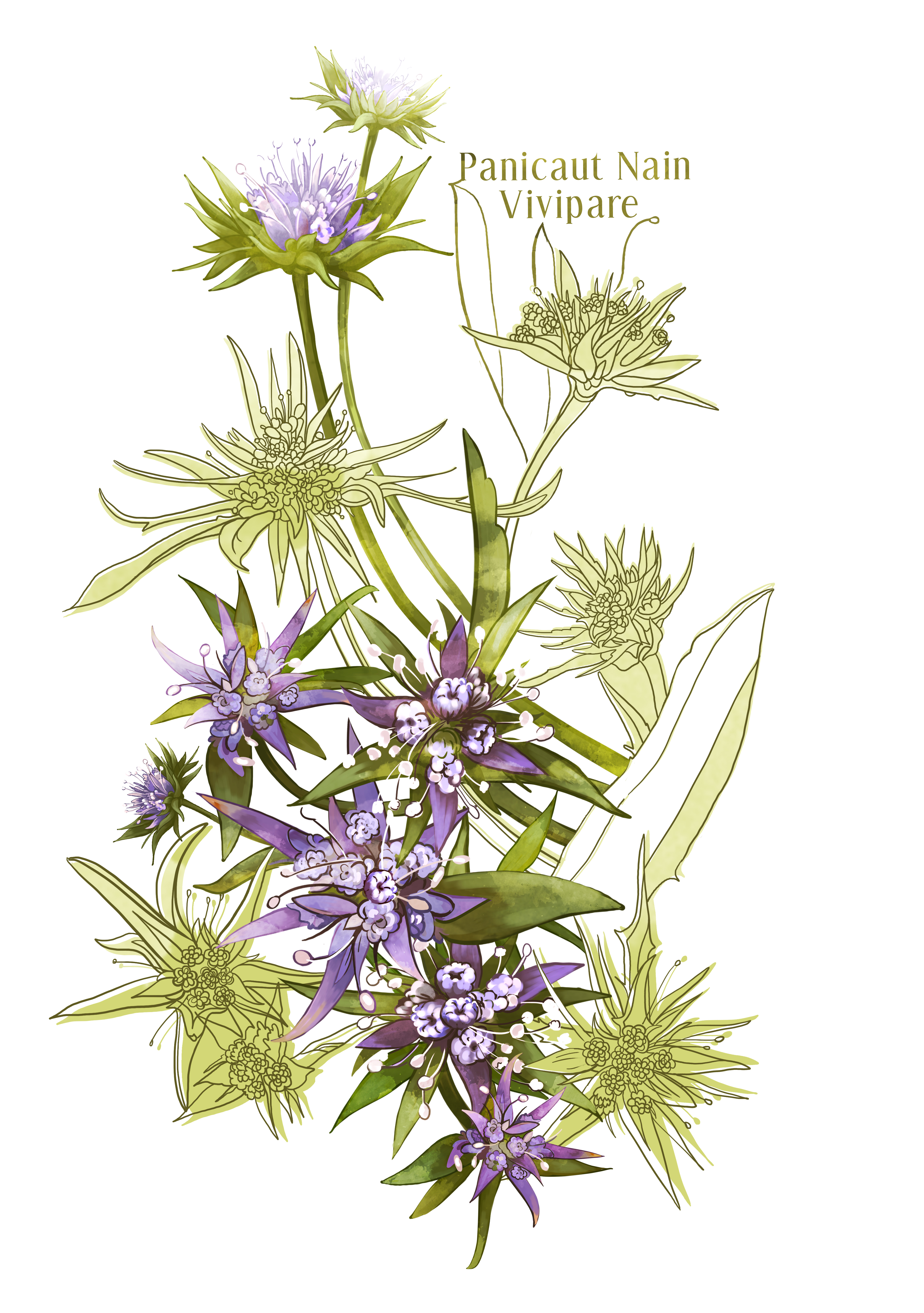
The frankincense tree being loved to extinction, the Cedar of Lebanon felled for Solomon's Temple, and a sacred lotus that vanished from the Nile.
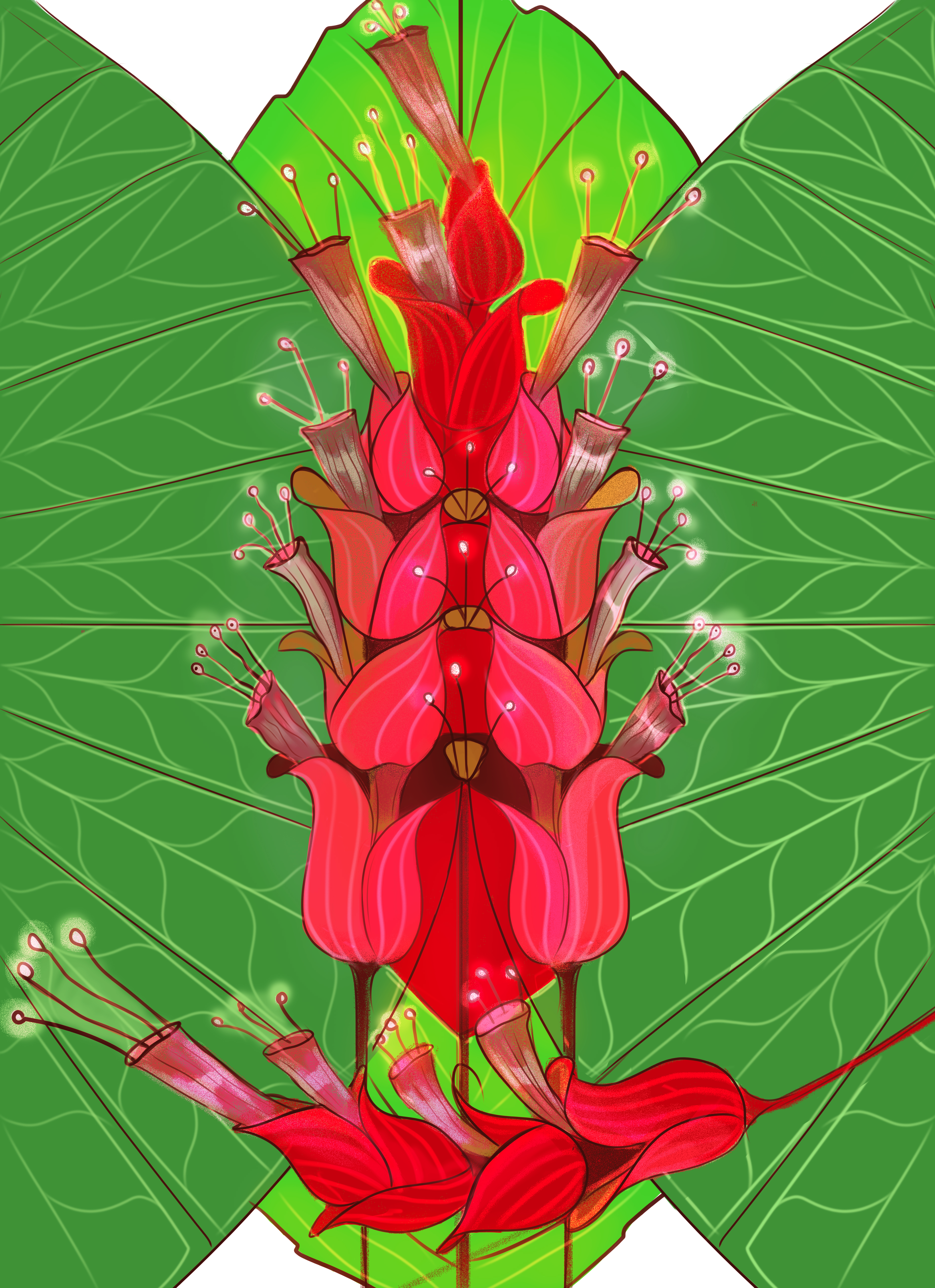
Three plants taken by colonial and commercial forces: the African Violet whose wild relatives are critically endangered, the Blackwood tree that supplies Europe's orchestras, and the bark that built a pharmaceutical industry.
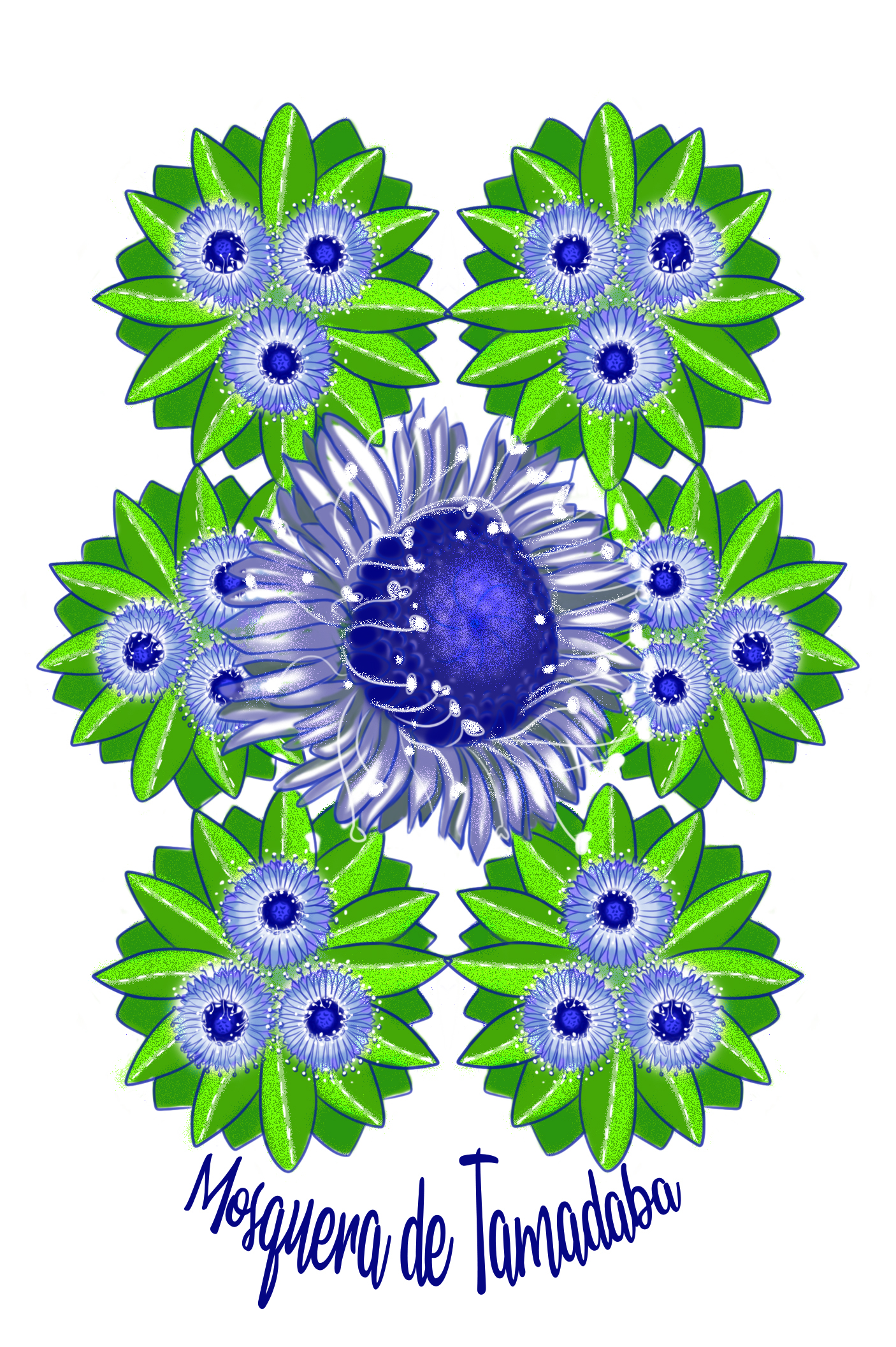
Real satellite imagery showing the same landscapes decades apart — deforestation made visible. Powered by NASA Worldview and Global Forest Watch data.
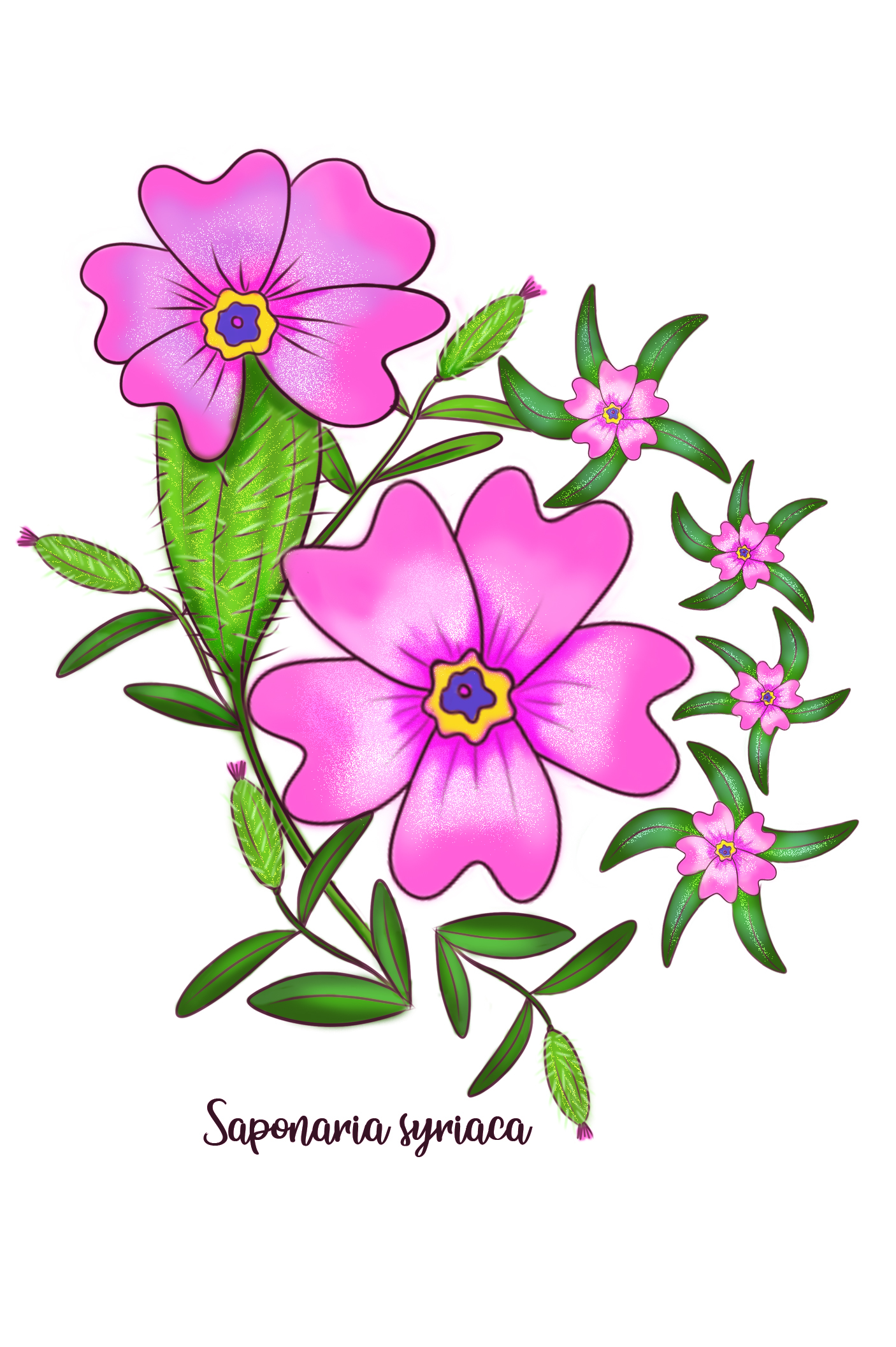
How armed conflict destroys ecosystems — from Agent Orange in Vietnam to oil fires in Kuwait to ongoing conflicts in the Congo Basin. Satellite evidence of damage that lasts generations.
Visual storytelling — including scenes from film and documentary — that shows what plant ecosystems look like under threat, and what a future without them could mean.
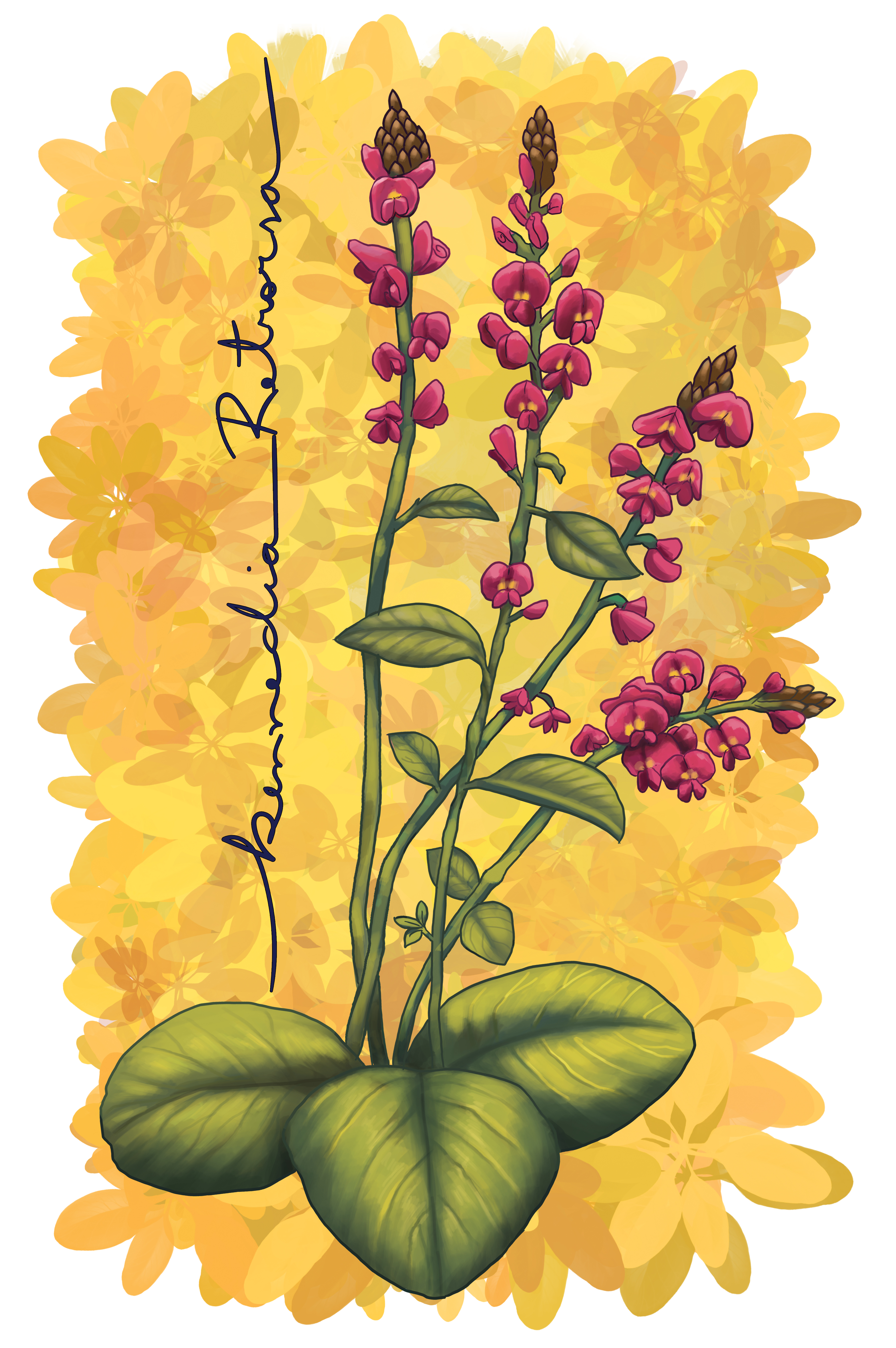
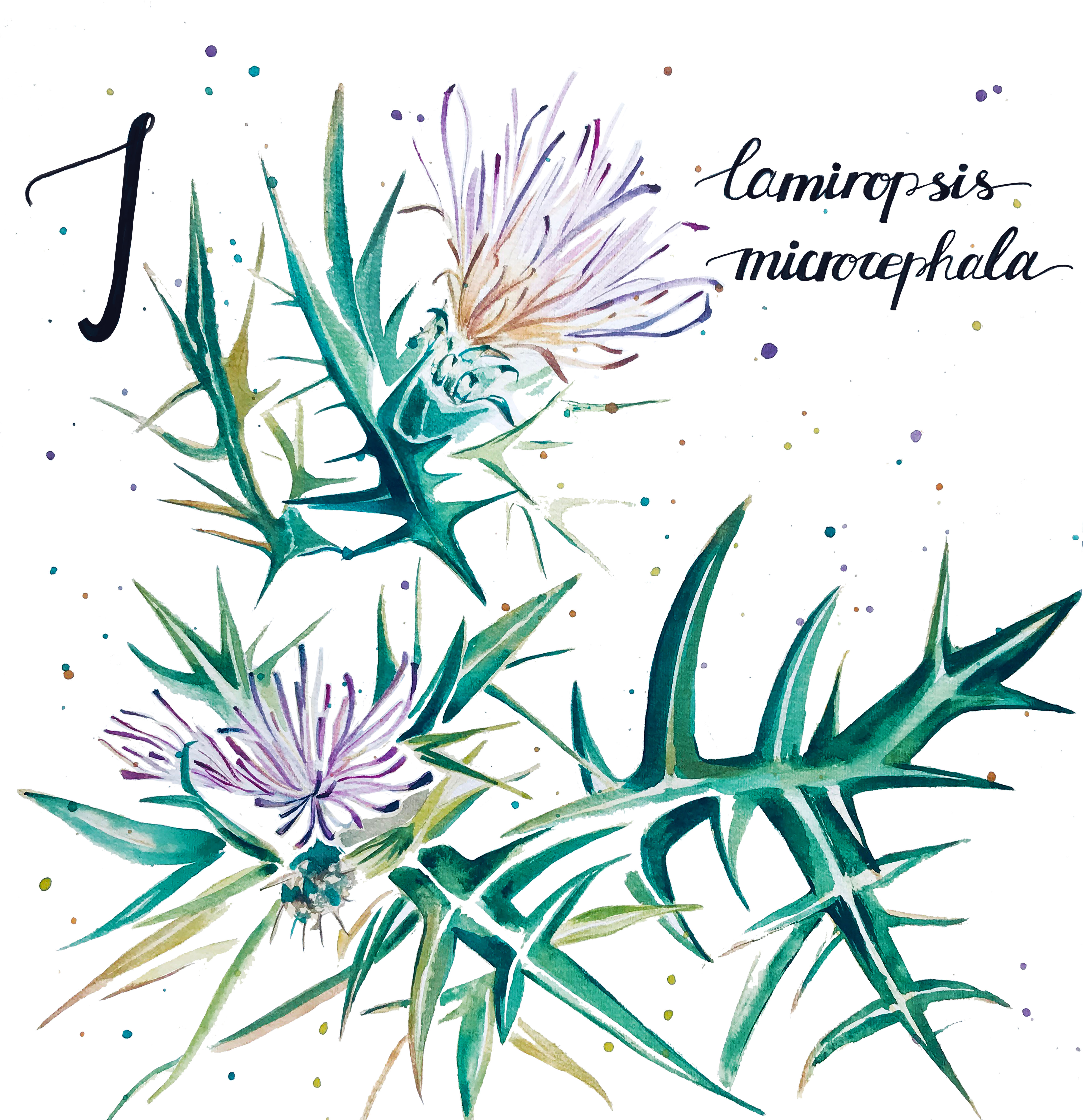
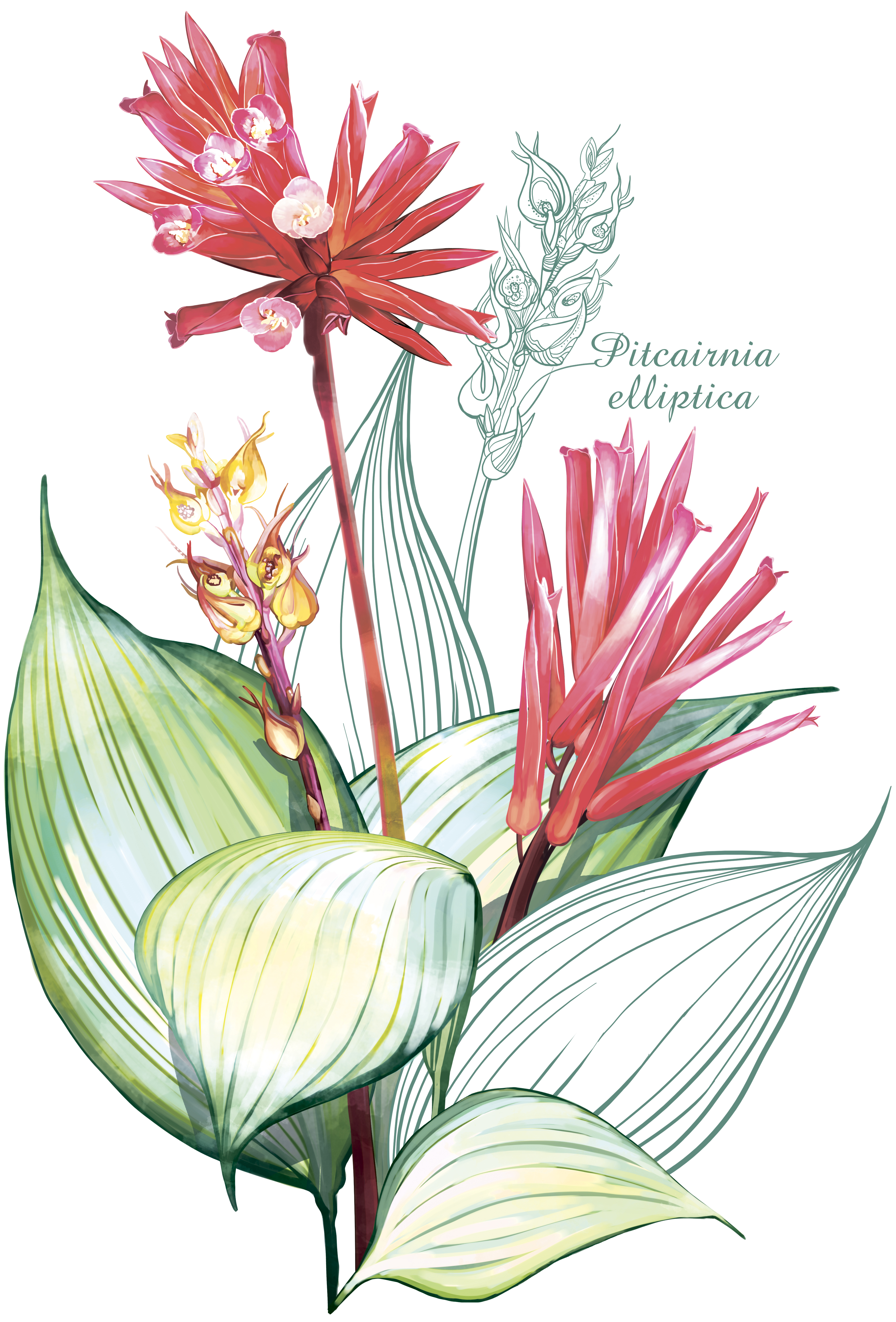
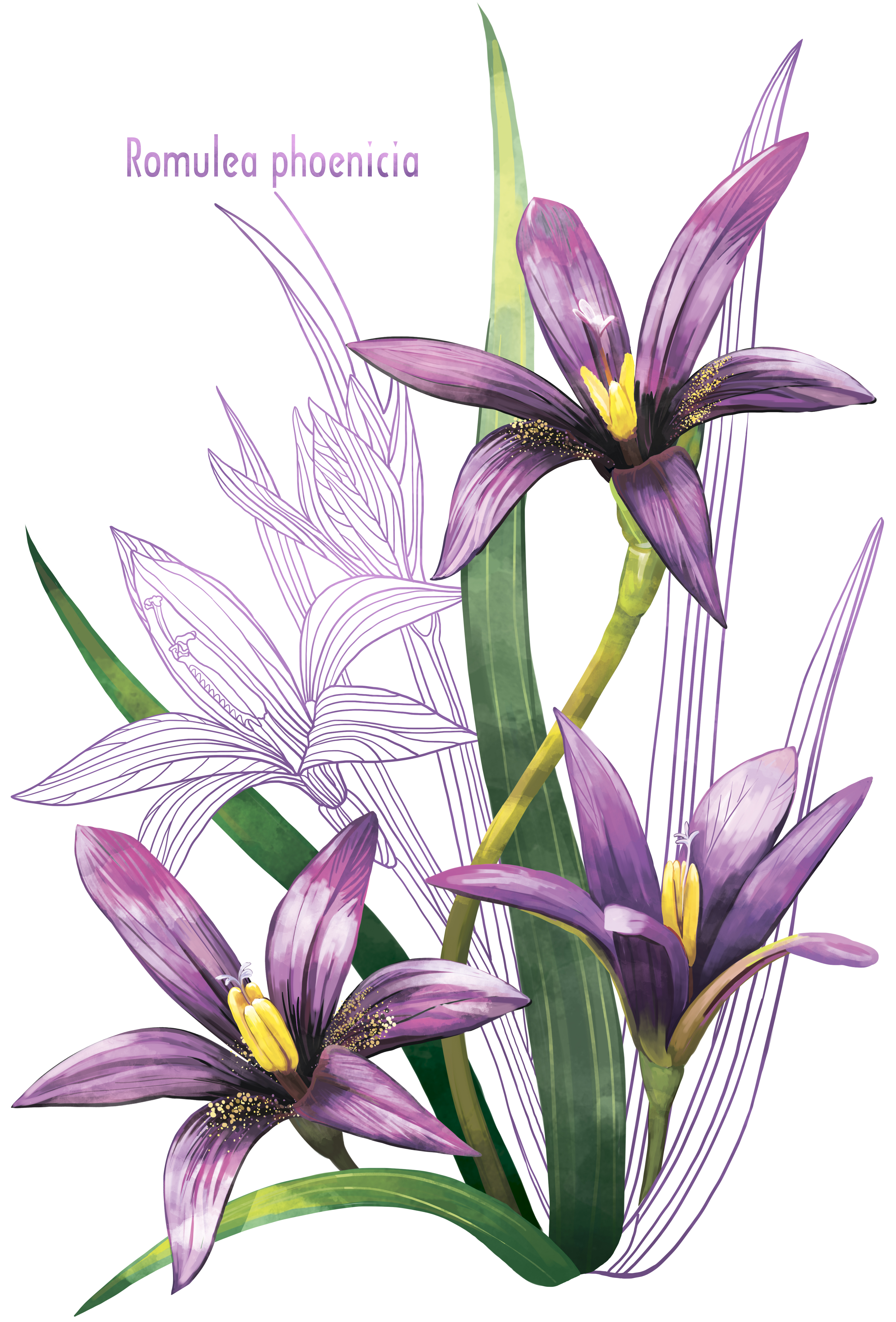
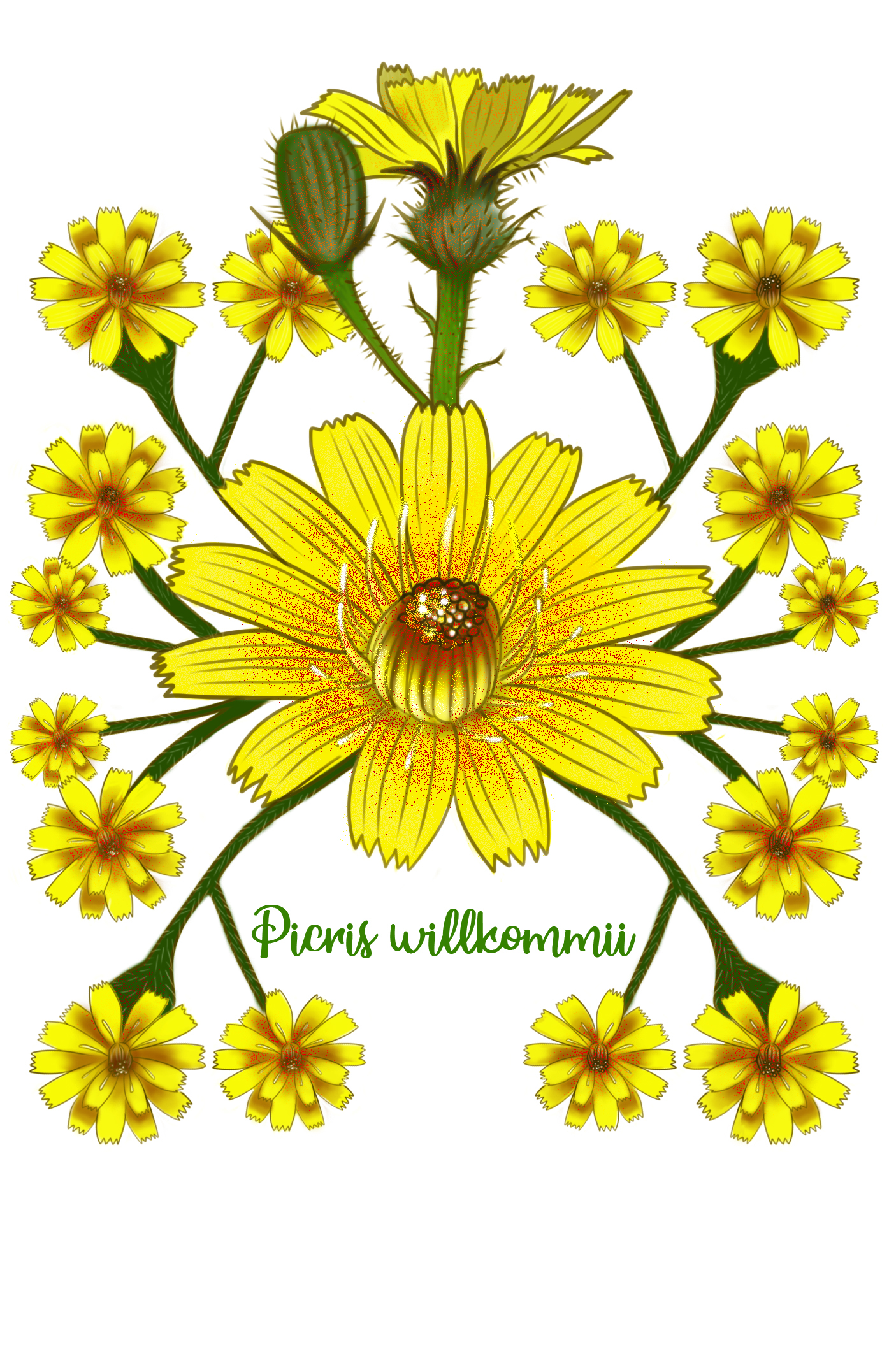
Every threatened plant has a story. Oya Portraits documents it — where they grow, why they are at risk, and what conservation efforts are underway. A live resource, updated with each new species portrait.
Oya's educational resources are growing. Here is a preview of what is in development.
Before-and-after satellite imagery powered by NASA Worldview and Sentinel Hub — drag a slider to see decades of change in seconds.
Phase 2A detailed, evidence-based look at how armed conflict destroys plant ecosystems — the most under-reported conservation story in the world.
Phase 3Using scenes from film and documentary to make the consequences of plant loss emotionally real — from Avatar to Princess Mononoke to Wall-E.
Phase 3Species-by-species identification guides focused on Red List plants — who they are, where they grow, and why they matter.
Phase 2Oya's educational materials translated into French, Spanish, and Portuguese — because plant conservation is a global conversation.
Future